2055 Sandwich W Pkwy, (Behind Windsor Crossing)
Call (519) 250-1811

Navigating Tooth Restorations: Crowns, Bridges and Implants Explained
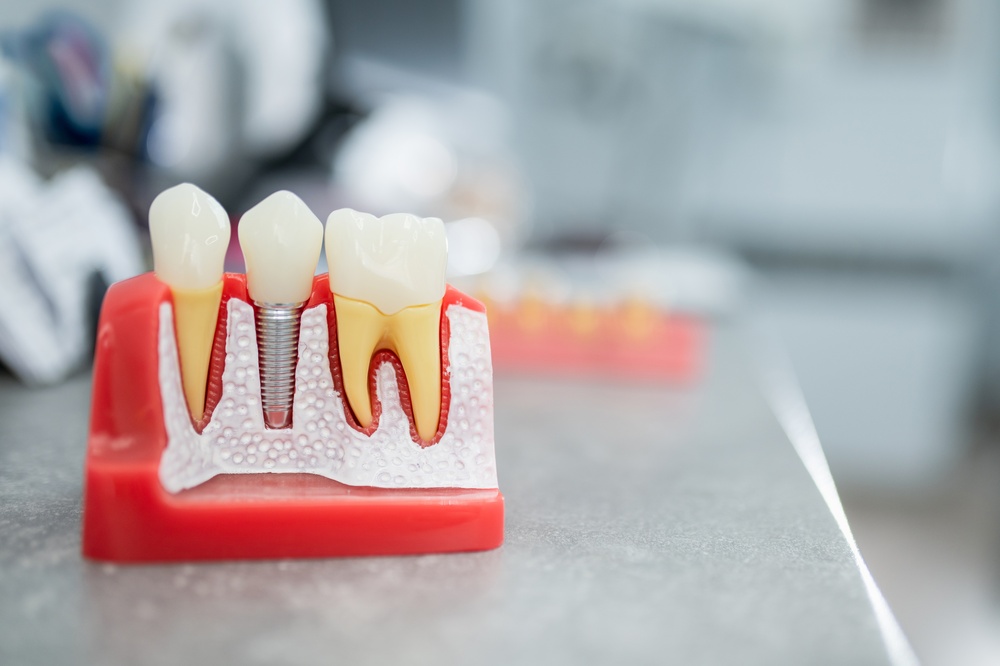
A healthy smile depends on more than regular brushing and flossing. Teeth may become damaged or lost due to decay, injury, wear, or other oral health conditions. Fortunately, several restorative dental treatment options are available to help restore function and appearance. Understanding the differences between crowns, bridges, and dental implants may help you have a more informed discussion with your dental team about your individual treatment needs.
Whether you are exploring treatment for a damaged tooth or replacing a missing one, every recommendation begins with a comprehensive dental examination and an individualized treatment plan.
What Is a Dental Crown?
A dental crown is a custom-made restoration that covers the visible portion of a tooth. It may be recommended when a tooth has been weakened by extensive decay, has a large filling, has fractured, or has received root canal treatment.
The purpose of a crown is to restore the tooth’s shape, strength, and function while helping protect the remaining natural tooth structure. Crowns are designed to blend with surrounding teeth whenever possible, creating a natural appearance.
Your dentist will determine whether a crown is an appropriate option based on your oral health and the condition of the affected tooth.
When Is a Dental Bridge Used?
A dental bridge is commonly used to replace one or more missing teeth when suitable neighbouring teeth are available for support.
A bridge consists of one or more artificial teeth that are anchored by crowns placed on adjacent teeth. Replacing missing teeth may help restore chewing function, maintain spacing between teeth, and support overall oral function.
Not every patient is a candidate for a bridge. Your dentist will assess your oral health, remaining teeth, and supporting bone before recommending the most suitable treatment option.
Understanding Dental Implants
Dental implants are another option for replacing missing teeth. An implant consists of a titanium post that is surgically placed into the jawbone, where it serves as a foundation for a replacement tooth after appropriate healing.
Dental implants may be considered for replacing a single tooth, several teeth, or, in some situations, to support other restorative options. However, eligibility depends on several factors, including overall oral health, bone quantity, medical history, and individual treatment goals.
Your dentist will explain whether dental implants are appropriate for your specific circumstances after completing a thorough examination.
Which Restoration Is Right for You?
There is no single restorative solution that is appropriate for every patient. Treatment recommendations depend on several considerations, including:
- The condition of your remaining teeth
- The location of the missing or damaged tooth
- Gum and bone health
- Oral hygiene habits
- Overall health history
- Individual treatment preferences
A personalized assessment allows your dentist to discuss available options, expected procedures, and maintenance requirements before treatment begins.
Patients seeking information about restorative dentistry, including those searching for LaSalle family dental services, should consult with a dental professional to determine which treatment may best suit their needs.
Restore Your Oral Health with Personalized Dental Care – Connect with Eye Smile Dental!
If you have questions about damaged or missing teeth, the team at Eye Smile Dental is available to discuss your concerns, perform a comprehensive examination, and explain restorative treatment options that may be appropriate for your individual needs. We believe that informed patients are better equipped to make confident decisions about their oral health, and we are committed to providing clear information throughout every stage of your care.
Visit Eye Smile Dental to learn more about our services or to schedule an appointment.