2055 Sandwich W Pkwy, (Behind Windsor Crossing)
Call (519) 250-1811

Teeth Cleaning for Braces and Invisalign Patients: What Changes?
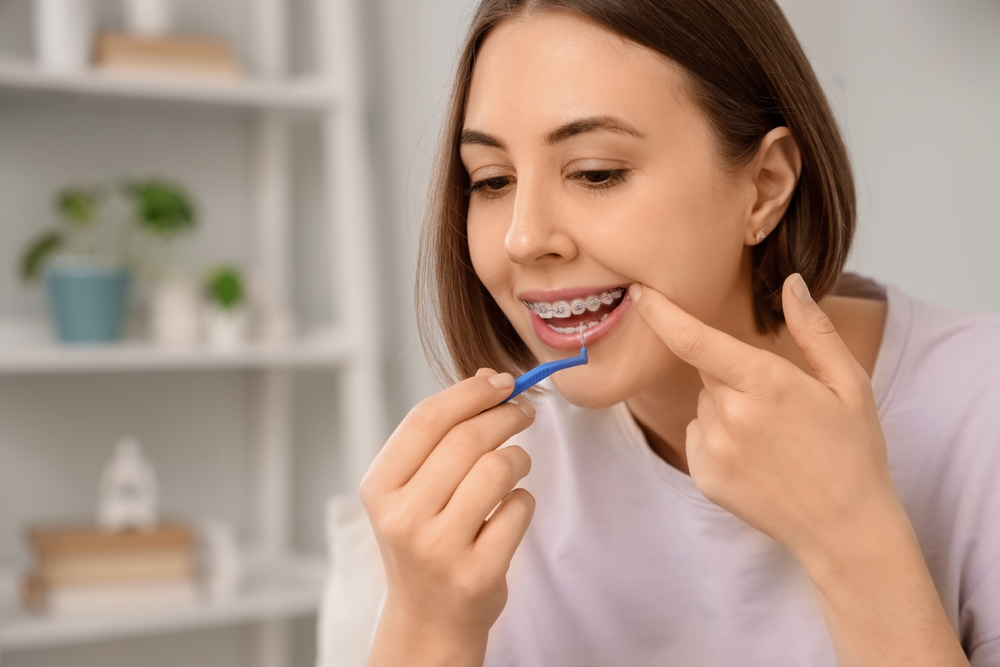
Orthodontic treatment is an important step toward improving alignment and bite, but it also changes how daily oral care should be approached. Whether a patient wears traditional braces or clear aligners, keeping teeth and gums clean requires extra attention. Understanding what changes during teeth cleaning may help patients protect their oral health throughout treatment.
Why Cleaning Matters More During Orthodontic Care?
Braces and aligners create additional surfaces where plaque and food particles can collect. Brackets, wires, and attachments may trap debris, increasing the risk of cavities and gum irritation if cleaning routines are not adjusted. Invisalign trays, while removable, still require consistent hygiene to prevent bacterial buildup. Regular cleaning supports healthier gums and helps avoid staining around orthodontic appliances.
Daily Cleaning With Braces
Patients with braces usually need to spend more time brushing. A soft-bristled toothbrush and fluoride toothpaste are commonly recommended. Angling the brush around brackets and along the gumline helps remove plaque from hard-to-reach areas. Interdental brushes or floss threaders are often useful for cleaning between wires and teeth.
Professional cleanings remain important during orthodontic treatment. A dental visit allows for thorough plaque removal and monitoring of gum health. In some cases, discussions about teeth whitening may occur after braces are removed, as whitening treatments are generally more effective once brackets are no longer present.
Daily Cleaning With Invisalign
Invisalign patients benefit from the ability to remove their aligners for brushing and flossing. This makes cleaning teeth more similar to routine care, but consistency is key. Teeth should be brushed and flossed after meals before aligners are placed back in the mouth. Aligners themselves should be cleaned daily using gentle methods recommended by a dental professional.
Because aligners cover the teeth for many hours each day, trapped sugars or acids may increase the risk of decay if cleaning is skipped. Clear aligner patients often ask about cosmetic dental services such as teeth whitening, which may sometimes be coordinated after orthodontic treatment is complete.
Professional Cleanings During Treatment
Routine dental cleanings continue to play an important role for both braces and Invisalign patients. These appointments allow for the removal of hardened plaque and the evaluation of areas that are difficult to clean at home. A cosmetic dentist may also assess how orthodontic treatment is progressing and discuss future aesthetic goals once alignment is complete.
Dental professionals may provide personalized tips, recommend specific tools, or adjust cleaning techniques as treatment continues. These visits may help reduce the risk of gum inflammation or uneven discoloration.
Changes After Orthodontic Treatment
Once braces are removed or Invisalign treatment is finished, cleaning becomes easier, but attention should remain consistent. Some patients notice uneven coloration where brackets once sat. At this stage, teeth whitening may be discussed as an option to create a more uniform appearance. A cosmetic dentist can help explain timing and expectations based on individual needs.
Staying Consistent for Long-Term Results
Orthodontic treatment is an investment in oral health and appearance. Maintaining strong cleaning habits throughout treatment supports better outcomes and helps protect teeth for the future. Small adjustments to daily routines may make a significant difference in comfort and oral health during this period.
Maintain Good Oral Health With Proper Orthodontic Care!
Eye Smile supports patients through every stage of orthodontic treatment with guidance on proper cleaning and long-term care. If you are navigating braces or Invisalign and want to maintain good oral heath, a professional consultation may help you understand the right steps to take now and after treatment is complete.