2055 Sandwich W Pkwy, (Behind Windsor Crossing)
Call (519) 250-1811

Dental Implants 101: Everything You Need to Know About This Long-Term Solution
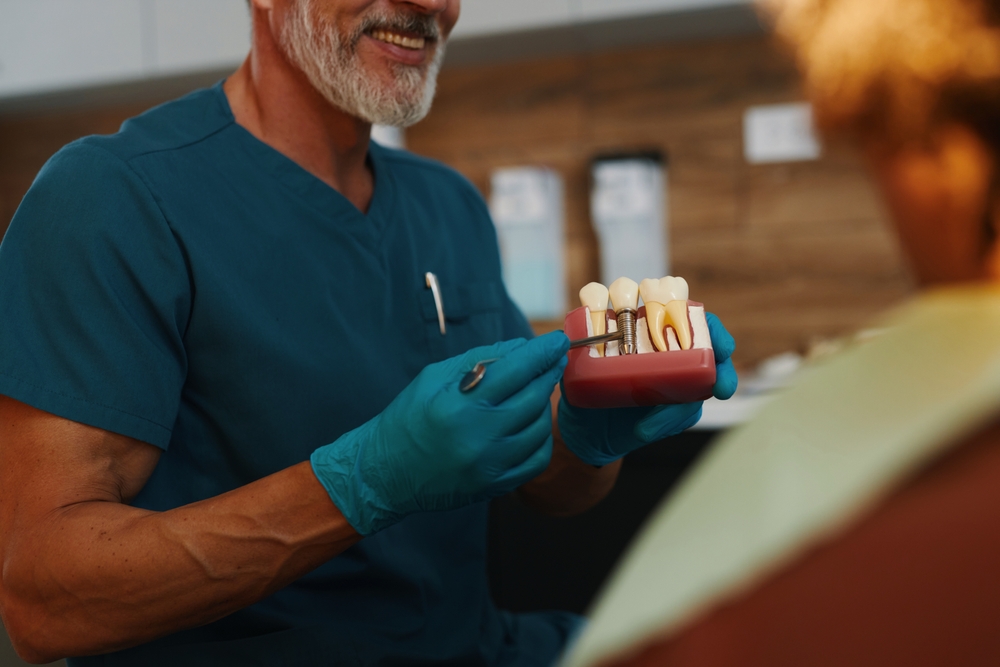
More than just how your smile looks, tooth loss can also impact your overall appearance. Over time, it could affect your speech, chewing, and even the health of your jaw. Due to their natural appearance and long-term durability, dental implants are often chosen among the various options. If you are weighing your options, understanding how implants work and what to expect will help you make an informed decision.
What Are Dental Implants?
Tooth loss may affect more than just the appearance of your smile. It may eventually affect your ability to speak, eat, and maintain the health of your jaw. Dental implants are commonly chosen among the available choices due to their long-term durability and natural appearance. Understanding how implants work and what to expect may help you make an informed decision if you are contemplating your alternatives.
Dental implants are fixed straight into the jaw, in contrast to dentures or bridges. This offers a long-lasting, stable treatment that preserves the face’s natural structure and helps stop bone loss.
Who Might Need Dental Implants?
Implants may be helpful for those who have lost one or more teeth as a result of trauma, decay, or gum disease. Before making a recommendation, your family dentist will assess various factors, including bone density, overall health, and dental hygiene practices.
Implants aren’t always the right answer immediately. Gum therapy or bone grafting may be required in some situations before the operation. However, with proper maintenance, an implant can last for decades after it is inserted and healed.
Benefits of Dental Implants
The ability of dental implants to function similarly to natural teeth is one of their key benefits. You don’t have to worry about pain or discomfort while eating, talking, or smiling.
Some additional benefits include:
- Preserved bone structure: By stimulating the jawbone, implants can help prevent bone loss that occurs when teeth are lost.
- Improved appearance: Implants can help prevent the sunken appearance that can sometimes occur after tooth loss, as they maintain facial structure.
- No impact on nearby teeth: In contrast to conventional bridges, implants are not supported by neighbouring teeth.
- Durability: Implants can last for many years, potentially even a lifetime, with proper care and regular examinations.
The Dental Implant Process
The implant procedure may take several months and consist of multiple phases. A consultation with your family dentist is the initial step, followed by imaging to evaluate the jawbone.
The implant is surgically inserted into the jaw if it is approved for use as a therapeutic device. Although healing times vary, it usually takes a few months to guarantee correct bone integration. The final crown or prosthesis is secured in place by an abutment when it has healed.
Compared to other tooth replacement techniques, this procedure takes longer; however, many patients believe that the long-term benefits outweigh the inconvenience.
Caring for Dental Implants
Brushing, flossing, and regular dental checkups are all essential for maintaining your implants, just as they are for natural teeth. Although implants are not susceptible to cavities, poor oral hygiene can nevertheless cause irritation and plaque accumulation in the surrounding gum tissue.
As with natural teeth, preserving your implants involves regular dental examinations, brushing, and flossing. Even though implants are impervious to cavities, the surrounding gum tissue may get irritated and accumulate plaque as a result of poor dental care.
Things to Consider
Dental implants are not suitable for everyone. Some medical disorders, such as uncontrolled diabetes, or lifestyle choices, such as smoking, may impact healing. To determine the best course of action, it is essential to discuss your lifestyle and medical history with your dentist.
Given that implants are often more costly upfront than alternative treatments, cost may also be a consideration. However, over time, they could prove to be a more affordable option due to their longevity and reduced need for future repairs.
Restore Confidence with Dental Implants at Eye Smile Dental
At Eye Smile Dental, our experienced team is dedicated to providing personalized care to help you navigate the process of getting dental implants. If you’re considering this long-term solution, we invite you to schedule a consultation to explore your options and take the first step towards a healthier, more beautiful smile. Book your appointment today!